

Some stories don’t start with big institutions or billion-dollar budgets. They start with a single child who has been left behind. Picture a fourteen-year-old in Karachi, bright eyes dulled by circumstances he never chose, standing outside a classroom he never had access to. Now imagine that same child four months later, speaking confidently, solving problems, handling digital tools, and feeling, maybe for the first time, like the future has room for him. That transformation is the heartbeat of Jugnuu. And it’s happening faster than anyone expected.
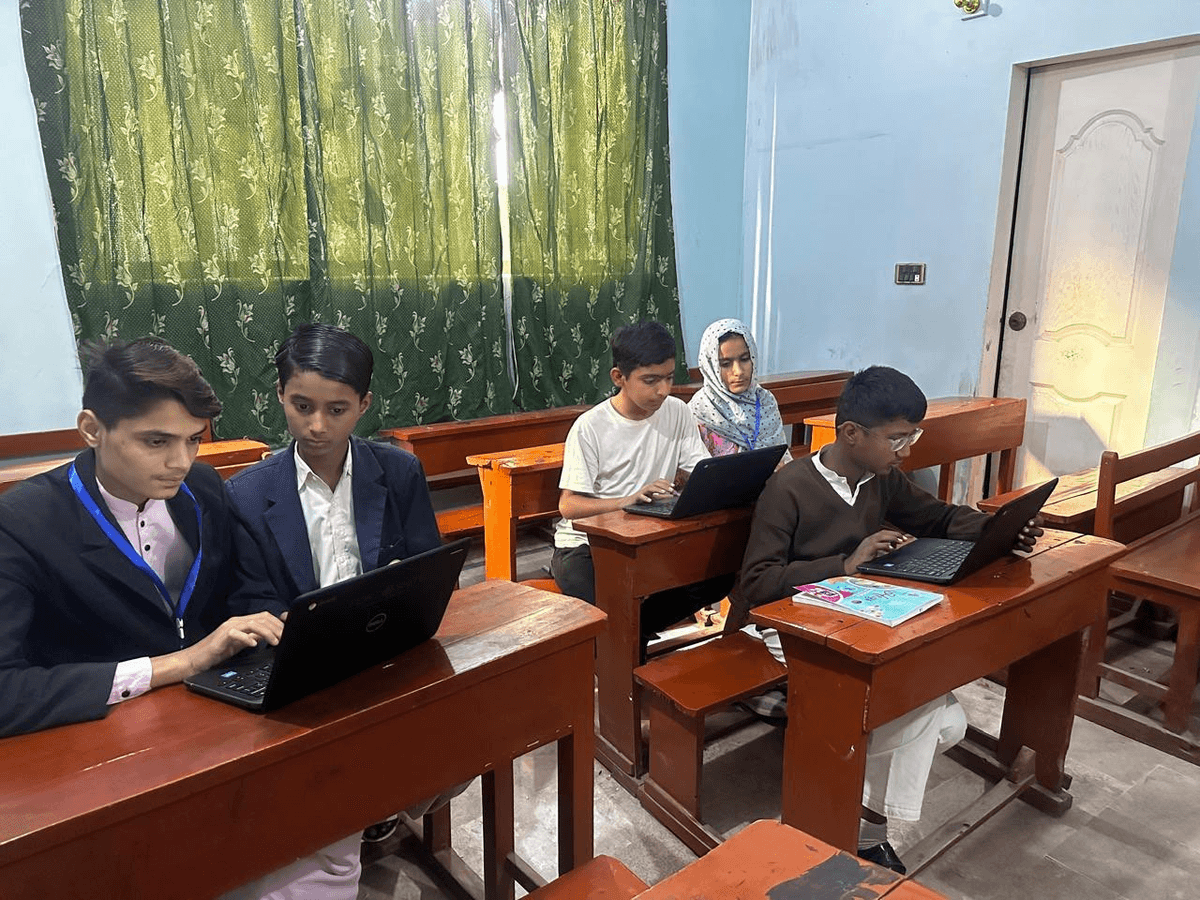
Jugnuu is not another charity promising change someday. It is already changing lives today. Built on a simple but ambitious idea to equip underprivileged youth with essential, future-driven skills, Jugnuu is proving that impact doesn’t need decades. It needs clarity, commitment, and a model that scales.
The Emergency No One Wants to Talk About
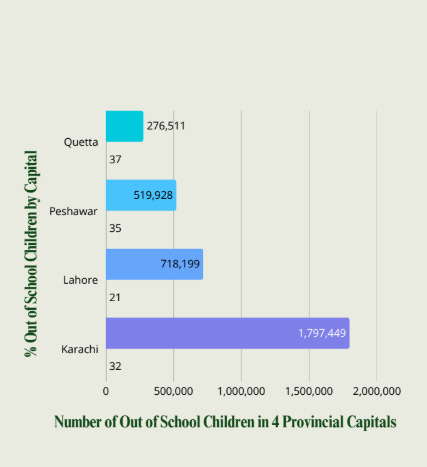
Pakistan has nearly 70 million children who are out of school, disengaged, or disconnected from formal education. That is almost the population of France. In Karachi alone, nearly 1.8 million children are out of school, the highest in the country, with districts like West, Malir, and Korangi carrying the heaviest burden. This isn’t a challenge. It’s a national emergency.
The old solutions can’t keep up. In thirty years, one of Pakistan’s strongest education NGOs built 2,000 schools and reached about 400,000 children. To reach the millions still left out, Pakistan would need 130,000 more schools. No country can build that fast. And certainly not in the neighborhoods where these children live.
Jugnuu saw the reality for what it was. And it didn’t look away.
The Scalable Answer No One Tried Until Now
Jugnuu began with a single insight:
If we can’t bring every child into a school, we can bring the skills of school directly to the child.
Rather than build, Jugnuu uses available classrooms after 3 PM. Instead of outdated textbooks, it brings relevant, practical skills: communication, digital literacy, and financial literacy. Instead of waiting years for outcomes, it delivers transformation through a structured four-month program that runs daily, four hours a day.
Each cohort is small enough to be personal, only 25 students per class, but large enough to scale fast. The goal is bold: to upskill 10 million students by 2030. And unlike most ambitious projects, this one has a roadmap.
How Jugnuu Works And Why It Works
The pathway is shockingly straightforward.
1. Equip existing classrooms with modern technology and learning tools.
2. Hire top-tier teachers, not volunteers scraping time together, but trained, committed educators.
3. Partner with schools to use underutilized classrooms in the off-hours.
4. Train students through a four-month curriculum that builds self-reliance, confidence, and employable skills.
5. Provide support in the job and internship search process immediately after.
6. Track each student for an entire year to ensure progress doesn’t evaporate.
Every piece is intentional, practical, and built for results.
This is not vague “empowerment.” It’s a system.
Success You Can Measure
Jugnuu’s model stands on two pillars the development world often talks about but rarely practices:
Radical transparency and radical truthfulness.
A point-based system selects every student by evaluating socioeconomic status, family support, and reasons for dropping out. No favoritism, mystery, nor invisible hand decides a child’s fate.
Throughout the program, Jugnuu uses:
• Weekly progress checks
• Data-driven insights tied to engagement and skill development
• Continuous feedback loops so every class gets better than the last
This is how actual change survives beyond good intentions.
A Program Built for the Students Who Need It Most
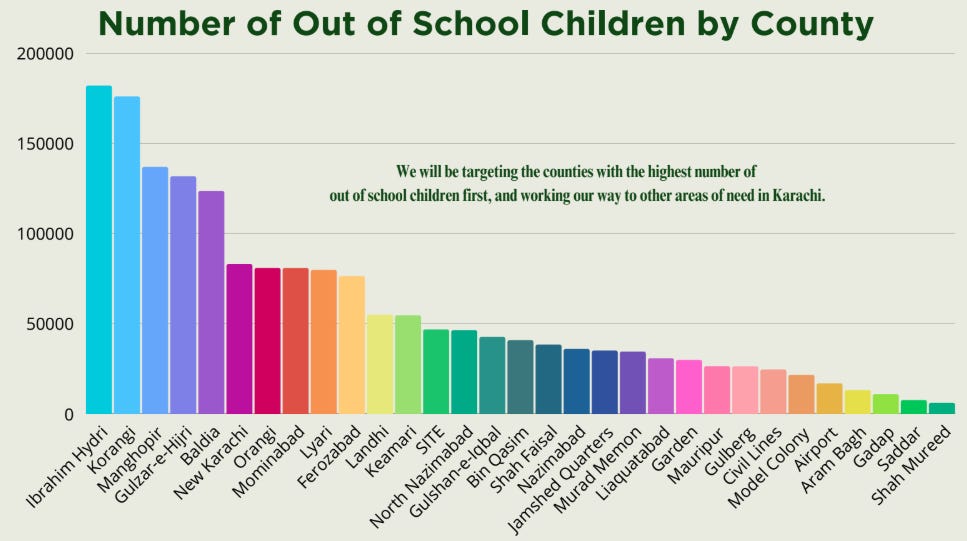
Jugnuu focuses first on Karachi’s highest-need districts and then expands outward. The choice is strategic. Change starts fastest where the need is most extreme. Karachi West, Korangi, Malir — these are neighborhoods where a four-month intervention could alter the course of an entire generation.
Jugnuu’s cohorts run Monday through Friday, 3 PM to 7 PM. This timing allows students who work during the day or help their families to still have a path back to learning. The program is tailored to their reality, not a system that forgot them.
The Team Behind the Movement
Change of this scale demands more than passion. It demands people who understand the streets these children walk, as well as the global skills the future requires. Jugnuu’s team includes:
• Principals and senior teachers from top institutes
• University professors and program managers
• Startup founders
• Volunteers from the United Nations Association in Canada
• Youth instructors from Karachi’s universities
This blend of experience and heart gives Jugnuu its strength. This is not a distant NGO. It is a hands-on, human-first team that knows its students by name.
$3,000 Can Change 100 Lives
Most people don’t realize how far their support can go. One donor can sponsor 100 students through the complete four-month program for just $3,000. That includes teaching, technology, materials, placement support, and a full year of follow-up.
This isn’t charity. It’s an investment—a high-impact, high-return investment in human potential. And its ROI doesn’t fade. It compounds throughout lifetimes.
Why Jugnuu Matters Right Now
Pakistan is standing at a demographic crossroads. Almost half the country is under fifteen. That kind of youth bulge can either fuel a nation or overwhelm it. Jugnuu is making sure it becomes the former.
Skills are not optional anymore. They enable survival, dignity, and freedom.
Jugnuu is building the next generation of self-reliant, confident, employable young Pakistanis, children who were once invisible, now learning to shine like the firefly the organization is named after.
Sometimes all a child needs is a little light to discover they were glowing all along.
🔥