

Talent matters but it never acts alone. Opportunity, practice, feedback, character and the people around us all shape what we can do.
Books can help us think about those forces and decide what to do next. So we keep asking our students: What will you read next?
Why reading matters
In a 2019 Gallup and Gilani Pakistan survey, 75% of respondents said they spent no time reading books on a typical day. The question included course books, religious books, novels, magazines and poetry.
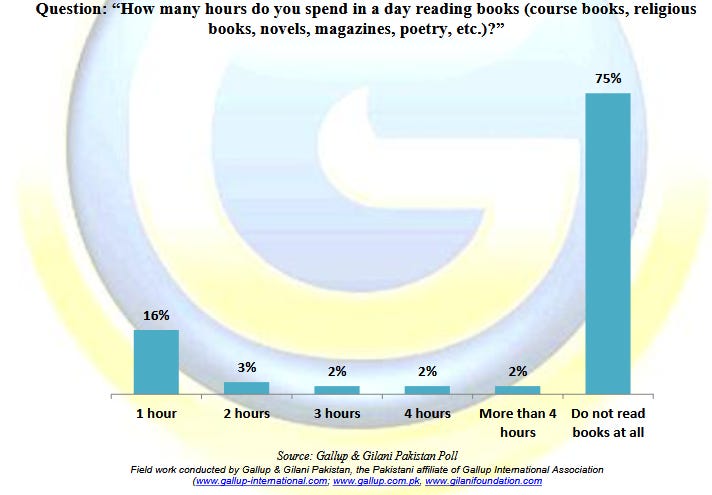
The 2023 census reported a literacy rate of 60.65% among people aged 10 and over. In rural areas, the rate was 51.56%. Literacy and daily reading measure different things, but both point to the value of making reading a regular part of learning.
At jugnuu, we want students to build that habit in whichever language works best for them. A book can introduce an idea; the real learning begins when you try it.
Sir Clive Woodward, the coach who led England to the 2003 Rugby World Cup, made that point in the title of his book, How to Win: Talent Alone Is Not Enough.
The five books below explore what helps people grow: small routines, good advice, preparation, responsibility and access to opportunity. Each offers an idea you can put to use this week.

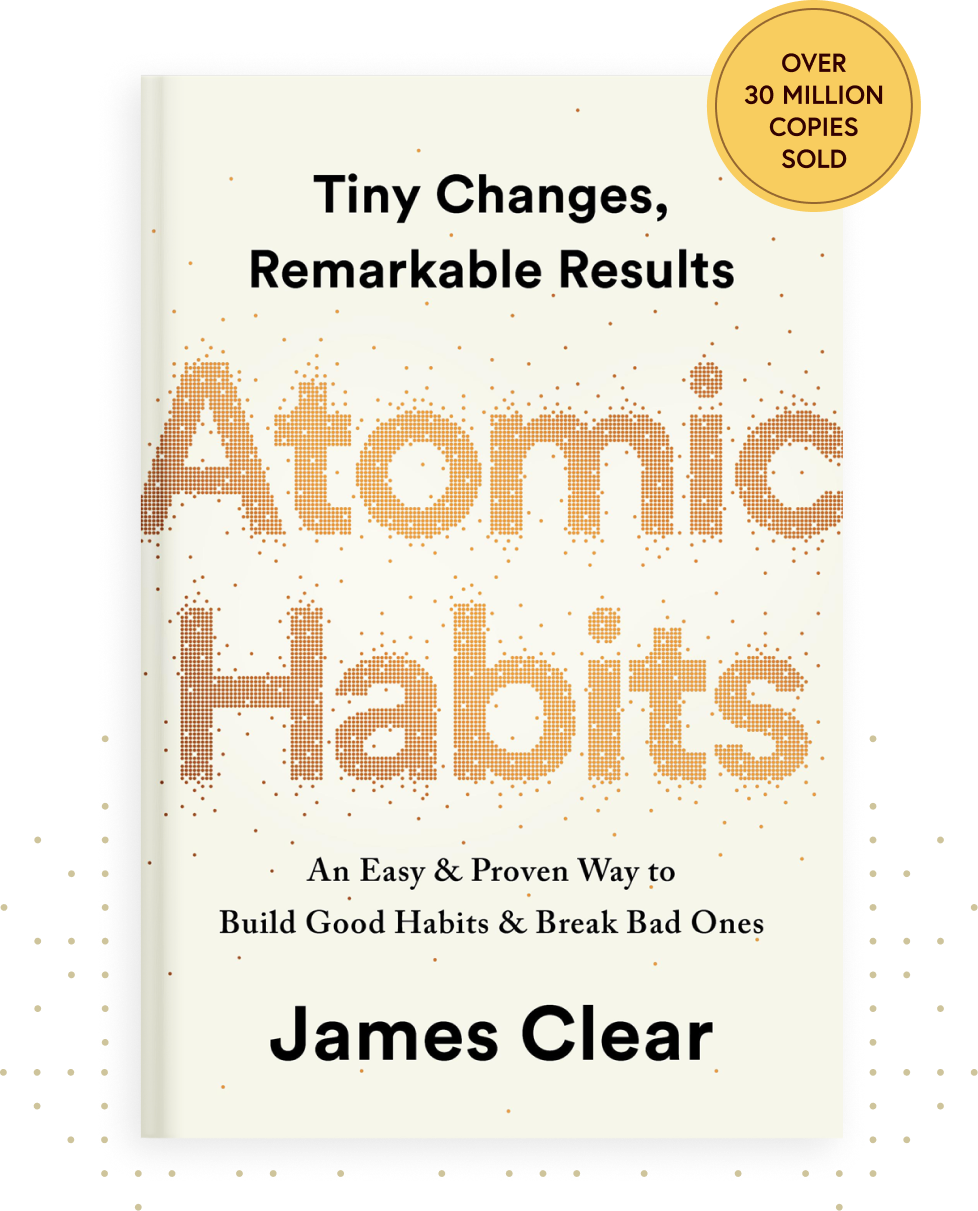
1. Atomic Habits, James Clear
The idea: Small changes, repeated often, can lead to meaningful progress.
“You do not rise to the level of your goals. You fall to the level of your systems.”
Try it this week: Practice coding for 10 minutes each day instead of waiting for a free five-hour block. Put your book where you will see it, and leave your phone in another room while you read.
In Urdu: Atmi Aadat (ایٹمی عادات) is available in Urdu.
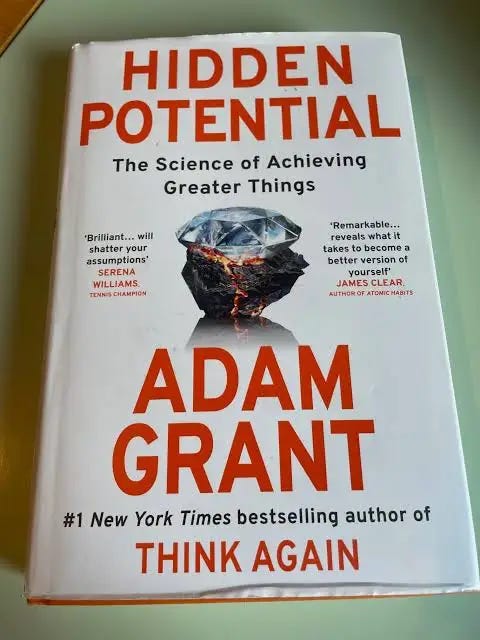
2. Hidden Potential, Adam Grant
The idea: Potential grows through character, motivation and access to opportunities. Natural ability is only one part of the picture.
Try it this week: After a lesson or project, ask your teacher, “What is one thing I should try differently next time?” Then share one thing you learned with a classmate.
For readers: This book may suit older teens who are comfortable reading in English. Younger students can read a chapter with a teacher and talk through the ideas. PDF version available here.
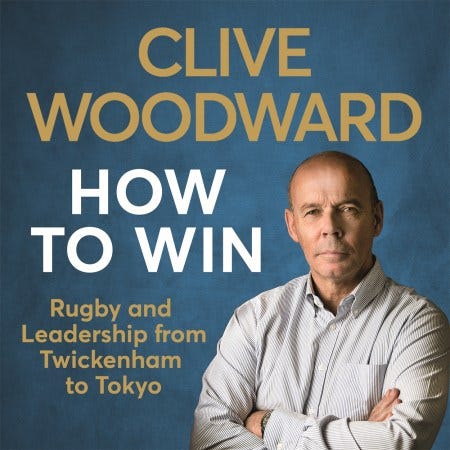
3. How to Win: Talent Alone Is Not Enough, Sir Clive Woodward
The idea: Talent can help you get started. Preparation, openness to feedback and teamwork help you perform when the pressure is on.
The book uses many rugby examples. Here are three ideas students can apply to school and work:
Stay open to feedback. Treat advice as information you can use. In a fast-changing field like AI, that habit helps you keep learning.
Practise under pressure. Rehearse a presentation, interview or exam before the day arrives. Familiarity can help you think clearly when it matters.
Agree on team standards. Before a group project begins, decide how you will divide the work, communicate and meet deadlines.
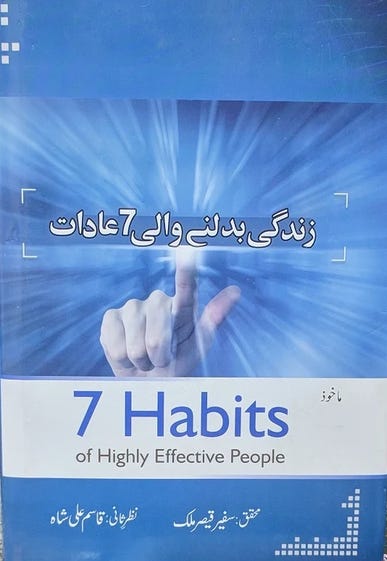
4. The 7 Habits of Highly Effective People, Stephen R. Covey
The idea: Take responsibility for your choices, decide what matters to you, and learn to work well with others.
“Seek first to understand, then to be understood.”
Try it this week: In your next disagreement, repeat the other person’s point in your own words before you answer. Then write one sentence about the kind of person you hope to be at 20.
In Urdu: An Urdu translation is available as Zindagi Badalny Wali 7 Aadat. For ages 12–14, Sean Covey’s The 7 Habits of Highly Effective Teens may be an easier place to start.
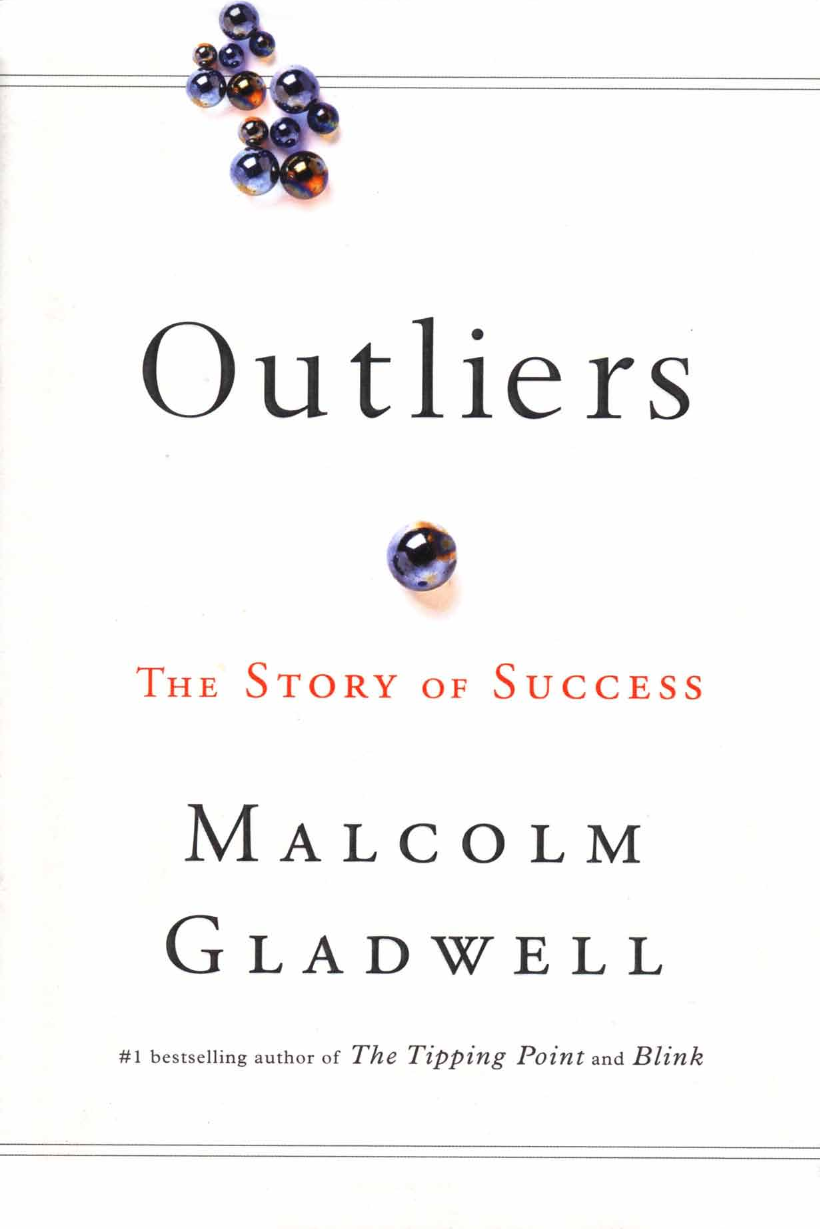
5. Outliers, Malcolm Gladwell
The idea: Success depends on more than talent. Practice matters, and so do timing, opportunity and support.
“Practice isn’t the thing you do once you’re good. It’s the thing you do that makes you good.”
You may have heard of the “10,000-hour rule.” Treat it as a rough idea, not a fixed requirement. The time needed to build a skill varies, and the way you practice matters.
Try it this week: Choose one skill and practice for 20 minutes. Ask someone to review your work, then make one improvement.
In Urdu: We haven’t confirmed a reliable Urdu edition. Readers can start with the English edition or discuss the book’s ideas with a teacher.
How to begin
Read 10 pages a day, in English or Urdu. Read with a friend if that helps you stay on track. Once a week, share one idea from your reading and explain how you might use it.
You don’t need to finish all five books. Choose one and try one idea this week.
Next time
We’ll share five more books about money, the mind and dreams.
Enroll in jugnuu Classes and Join our Book Club
Want to build reading skills you can use in school, work and your own ideas? Join our book club by enrolling in free jugnuu classes on AI, financial literacy, communication or entrepreneurship.
Know a teen who might enjoy this list? Share it with them.